Research on Type 1 Diabetes suggests that dietary changes can significantly impact insulin sensitivity. A recent randomized clinical trial found that a low-fat vegan diet reduced daily insulin requirements by 28% in just 12 weeks.
By eliminating animal-based saturated fats and drastically increasing fiber, the intervention reduced ectopic fat (fat stored in the liver and muscles).
This reduction in internal fat likely cleared the way for insulin to signal properly, allowing the body to do more with less.
This was a small study ($n=58$) funded by the Physicians Committee for Responsible Medicine, so larger trials are needed to confirm the results. However, the link between nutritional inputs and metabolic efficiency is a compelling reminder: our environment and what we eat directly signal our biology.
Foods that increase insulin sensitivity include:
Complex carbohydrates like whole grains (whole wheat, oats, whole barley, quinoa) and legumes (beans, lentils, chickpeas, green peas).
Healthy fats from sources like avocados, nuts (almonds, walnuts, pecans), and seeds (chia, flaxseeds, sunflower, pumpkin).
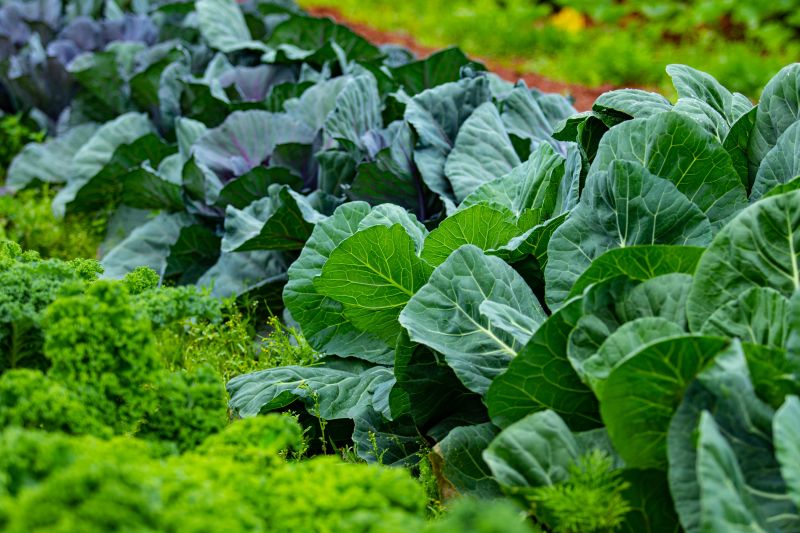
A variety of fruits and vegetables rich in fiber and antioxidants such as berries (strawberries, blueberries, raspberries, blackberries), apples, mangoes, pineapple, pomegranates, dark leafy greens, broccoli, peppers, cucumbers, carrots).
Incorporating these foods can help stabilize blood sugar levels and improve the body's response to insulin.
Whether you have Type 1 diabetes or not, improving insulin sensitivity is a key pillar of healthspan.