The Truth About Ultra-Processed Foods
Will Loiseau
1/8/20262 min read
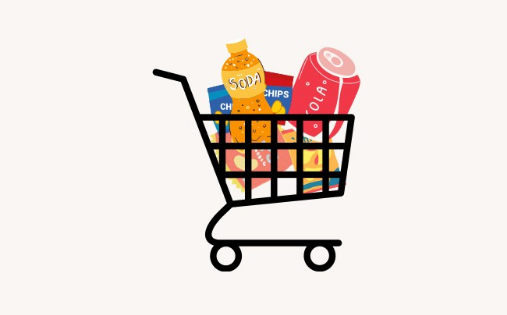
Ultra-processed foods (UPFs) are industrial formulations made mostly from substances extracted from foods (like starches, fats, sugars) or synthesized in labs, containing additives like preservatives, emulsifiers, flavors, and colors, with little to no whole foods. Examples include sodas, energy drinks, sweetened juices, packaged snacks (chips, cookies, candy), sugary cereals, breakfast bars, flavored yogurts, frozen meals, hot dogs, and lunch meats, designed for convenience, long shelf life, and intense taste, often lacking nutrients. These foods are overwhelming the American diet.
UPFs are a major source of calories in many diets, contributing significantly to added sugar intake. High consumption is linked to increased risks of obesity, heart disease, cancer, anxiety, and early death.
Here's what we know about UPFs:
73% of What's Sold - UPFs make up 73% of the U.S. food supply. Americans now get 6% of their calories from these foods. For children, it's 70%. The marketplace is engineered to make real food the exception.
The Kitchen Test - If the ingredients aren't in your kitchen, it's ultra-processed. Emulsifiers, colorings, flavor enhancers, bulking agents, gels - these are industrial formulations, not food.
The Damage is Real - High consumption increases cardiovascular death risk by 50%, anxiety by 48%, obesity by 55%, and type 2 diabetes by 40%. A 2024 review of nearly 10 million participants confirmed this.
Designed for Addiction - Food scientists engineer the precise combination of sugar, salt, and fat to maximize palatability (the "bliss point"). When you hear "you can't eat just one," they mean it. These foods trigger overconsumption by design.
It's Not Just What's Added - UPFs are stripped of fiber, micronutrients, and phytonutrients your body needs. You're overfed but undernourished. Your gut microbes starve without fiber.
Not All Are Equal - Read labels carefully. Choose products with simple, recognizable ingredients and less additives.
Reduce or Eliminate? - The goal isn't perfection. Mix fresh fruits, vegetables, beans, whole grains, nuts, and seeds with convenience foods that have fewer additives.
My book, Young at Any Age: How to Feel Younger, Longer, offers a complete system that covers how to identify ultra-processed foods, understand their impact on your repair systems, and build sustainable nutrition habits.
Start Your Transformative Journey Today
© 2026 True Iron Will LLC. All Rights Reserved .
Mailing Address:
1317 Edgewater Drive #1297
Orlando, FL 32804
TrueIronWill1@gmail.com