What Makes Heart Attacks Largely Preventable?
Will Loiseau
2/23/20261 min read
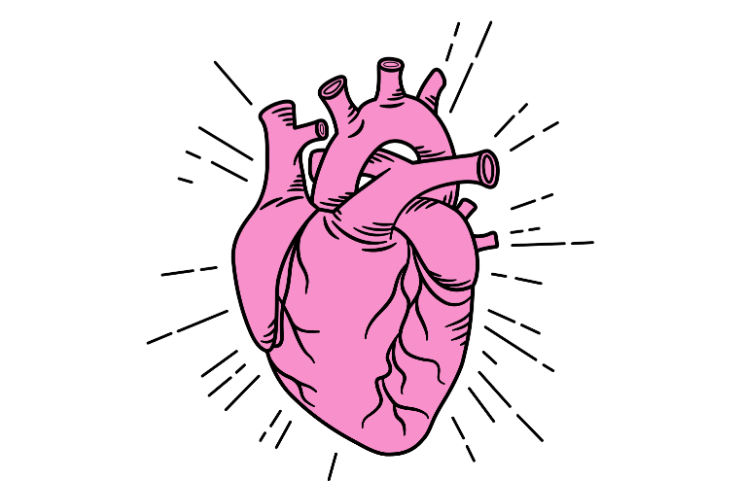
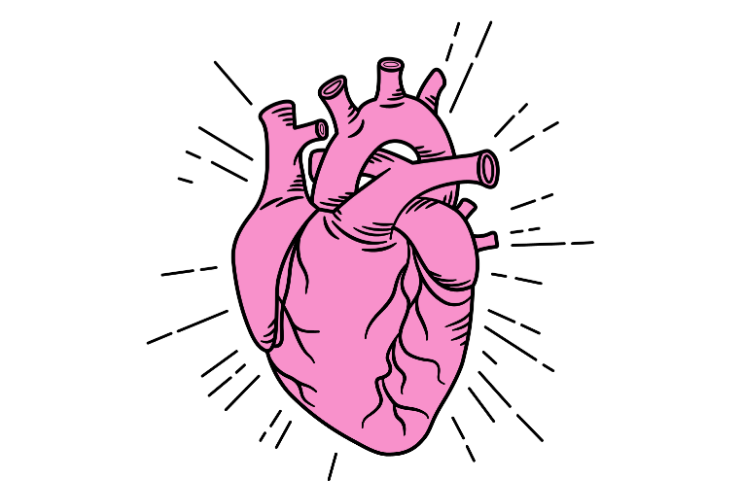
Research published in the Journal of the American College of Cardiology (2025) highlights a shift in how we view heart health. Tools are now available to calculate a 30-year risk window for adults as young as 30.
The majority of "unexpected" events aren't actually unexpected - they are the result of risk factors that were ignored for decades. As a Healthspan Optimization Strategist, my goal is to help you bridge the gap between understanding your risk and the daily choices that mitigate it.
The Invisible Reality
99% of people who suffer a cardiovascular event had at least one risk factor beforehand. Most have no idea until it's too late.
The 75-Year Trend
Heart disease has been the leading cause of death in the U.S. since 1950. We are reacting to a crisis instead of predicting one.
Foresight vs. Hindsight
Scientists are now using 30-year risk calculators to turn "invisible" signs into actionable data.
Choice as Medicine
Heart disease is a disease of choices. We make wiser choices when we understand the connection between risk and daily habits. Your healthspan is built on these decisions.
The Healthspan Habit: Sleep
Less than 6 hours nightly (sleep debt) halts cellular repair and spikes risk. Recovery must exceed damage.
The Healthspan Habit: Muscle
Low strength (muscle loss) increases insulin resistance and doubles mortality risk. Muscle is your metabolic currency.
The Healthspan Habit: Regulation
Repeated sugar surges accelerate vascular and inflammatory damage. Glucose stability protects your internal "infrastructure."
90% of heart attacks are behavior-driven. Your arteries respond to your habits. The primary drivers are: sleep deeply, train consistently, eat from the earth, quit smoking, and avoid alcohol. Use the data to change your trajectory.
Whether it's managing sleep debt, preserving muscle mass, or regulating glucose, your future health is a reflection of your current recovery. We plan our finances 30 years out - why are we still treating our heart health like a month-to-month lease?
Start Your Transformative Journey Today
© 2026 True Iron Will LLC. All Rights Reserved .
Mailing Address:
1317 Edgewater Drive #1297
Orlando, FL 32804
TrueIronWill1@gmail.com