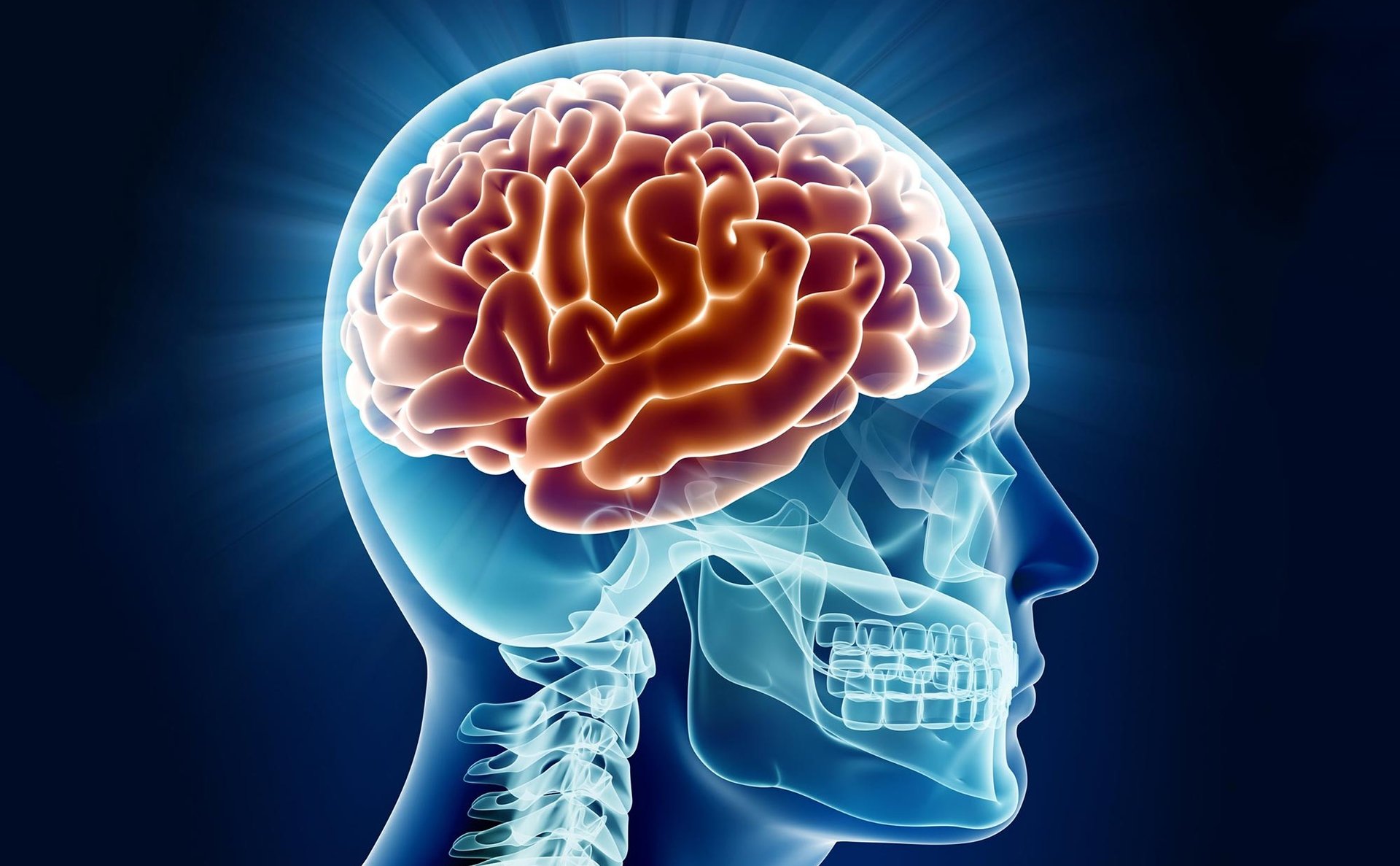
A University of Cambridge study shows the brain doesn't actually finish developing until age 32. This "adult phase" of stability typically lasts until 66, when white matter often begins to degrade and connections weaken. (White matter is the brain's communication network, consisting of myelinated nerve fibers/axons that connect different brain regions, allowing for rapid information transfer, essential for learning, focus, and complex skills.)
Scientists identify four major turning points (or phases) around ages 9, 32, 66, and 83 that create five broad eras (or epochs) of neural wiring over the average human lifespan (childhood brain, adolescent brain, adult brain, early aging brain, late aging brain), as our brains rewire to support different ways of thinking while we grow, mature, and ultimately decline.
But that timeline isn't a fixed rule.
The researchers found that cardiovascular health and social connection directly influence how your brain rewires itself during these shifts. Your lifestyle dictates whether your brain ages on a standard schedule or maintains its capacity for much longer.
Inflammation from poor food choices can accelerate neural degradation. Conversely, movement patterns help keep white matter intact. Even social isolation plays a role in speeding up cognitive decline.
Your brain's aging process responds to the same principles that extend healthspan everywhere else in your body - nutrient-dense foods, consistent movement, recovery (quality sleep), and stress management. Learning new skills (continuous mental challenges) and staying socially engaged, all while reducing vascular risks like blood pressure, cholesterol, and diabetes, and avoiding smoking, can also keep your mind sharp and resilient and protect your cognitive health long-term.